
What a Warm, Wet Spring Means for Greater Jacksonville and the First Coast
Mar 3, 2026
On the First Coast, it can feel like everything is warm and green all year—and honestly, a lot of it is.
That’s why pests don’t really have a true “off-season” in Northeast Florida. They’re active year-round.
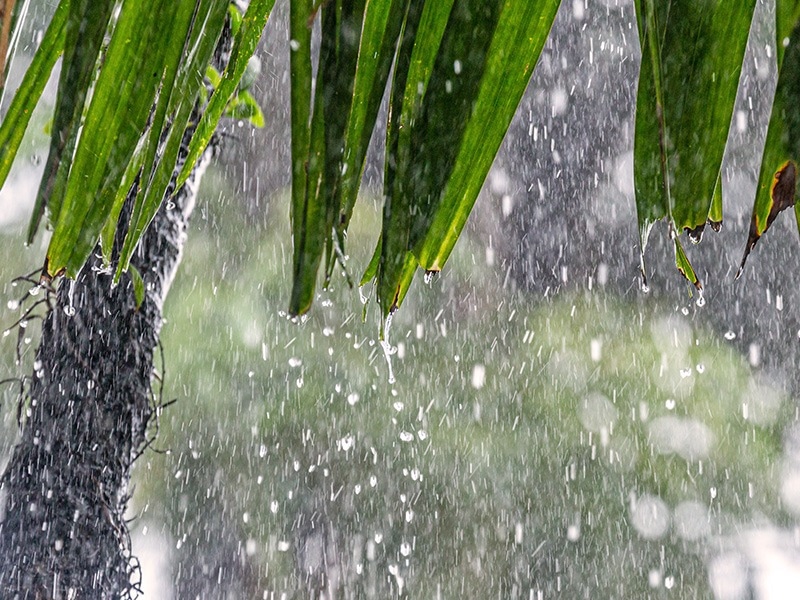
What changes is pressure. When we get a warm, wet stretch, pests can breed faster, forage more aggressively, and push indoors sooner—so homeowners in Greater Jacksonville and along the First Coast may feel that surge earlier than usual.
The National Pest Management Association (NPMA) is forecasting earlier and heavier pest activity across the Southeast this spring and summer in its Spring & Summer 2026 Bug Barometer®: From Coast to Coast, Pests Are Coming Early.
In plain terms, homeowners in Greater Jacksonville and along the First Coast may see termites, mosquitoes, and ants show up sooner, followed by more flies and cockroaches as summer heat settles in.
For neighborhoods across Jacksonville, the Beaches (Atlantic Beach, Neptune Beach, Jacksonville Beach), Orange Park, Fleming Island, Fruit Cove, Ponte Vedra, and nearby communities, this isn’t just interesting pest news. It’s a sign that prevention now can help avoid bigger (and more expensive) problems later.
To get protection in place before peak season, start here: Residential Pest Control in Jacksonville & the First Coast.
What the NPMA Forecast Really Means for Northeast Florida
NPMA’s “Bug Barometer” looks at weather patterns and pest biology.
For the Southeast (including Florida), the forecast highlights:
- A warm, wet spring may boost termite, mosquito, and ant activity earlier than usual.
- Summer heat increases fly and cockroach pressure.
- Tropical storms can trigger mosquito surges because of standing water.
That lines up with what many First Coast homeowners experience every year—just faster and more intense when conditions are wetter and warmer.
Our coastal humidity, shaded landscaping, and frequent rain create the perfect environment for pests to thrive (mulch beds, palms, soffits, crawl spaces, pool enclosures, and more). When rainfall is up, pests don’t just increase. They spread, breed, and move indoors faster.
Pest by Pest: What to Expect in Greater Jacksonville This Spring and Summer
Termites: Earlier Swarms and a Higher Risk of “Silent” Damage
Warm, wet conditions can kick off termite activity sooner—especially swarming.
Here’s what matters most for homeowners:
- Swarmers (winged termites) don’t eat your house, but they can signal colonies nearby—or already in the structure.
- Termites can cause damage long before you ever see them.
- Swarms are often confused with flying ants, which can delay the right response.
First Coast pro tip: If you notice a sudden “storm” of winged insects around windows, porch lights, or sliding glass doors—especially after warm rain—don’t assume it’s harmless. Capture a sample if possible and schedule a professional inspection.
If you’re not currently protected, this is the season to act: Termite Control in Jacksonville.
Mosquitoes: Earlier Backyard Pressure (and Bigger Spikes After Storms)
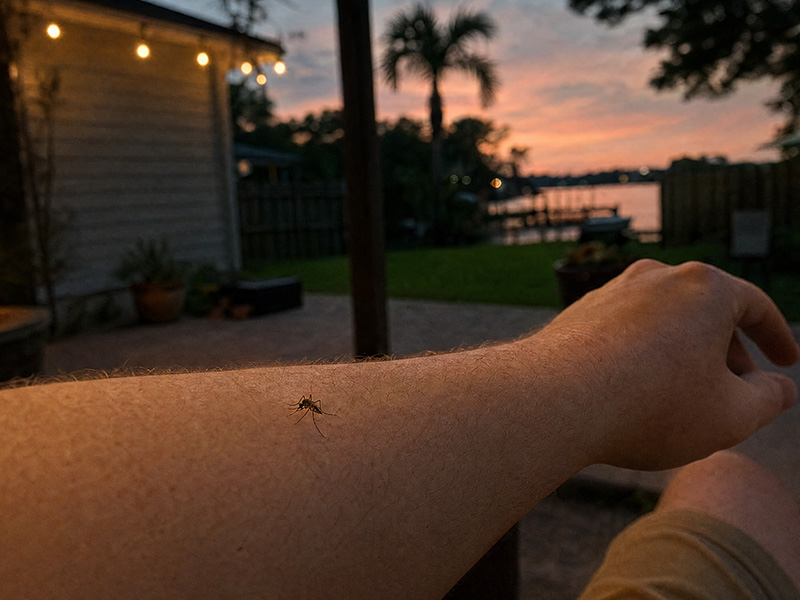
Mosquitoes don’t need much encouragement in Northeast Florida. A warm, wet spring gives them a head start.
What that means for your home:
- Mosquito activity may show up earlier, before you’re ready to give up evenings outside.
- Outdoor time gets disrupted fast—especially in shaded yards or areas with drainage issues.
- After heavy rain or tropical weather, mosquito populations can surge because they breed in surprisingly small amounts of water.
If you want your yard back, explore Mosquito Control in Jacksonville and Lindsey’s guidance on why Jacksonville Residents Need Mosquito Control Throughout the Year.
Ants: More Trails, More “Mystery Ants,” and More Bathroom and Kitchen Sightings
When spring rains raise moisture levels and food sources become more available, ants get busy.
Common First Coast frustrations:
- Ant trails along baseboards, window sills, and counters
- Ants showing up in bathrooms (yes, even clean ones)
- Outdoor nests getting “stirred up” by heavy rain
Indoor ants often mean they’ve found:
- A moisture source (tiny leak, damp wood, condensation)
- A reliable food source (pet bowls, pantry crumbs, grease)
- An entry point (gaps around doors, plumbing penetrations)
To identify what you’re dealing with, start here: Ant Identification and a very common local scenario: Ants in the Bathroom.
Cockroaches: Summer Heat Drives Roaches Indoors
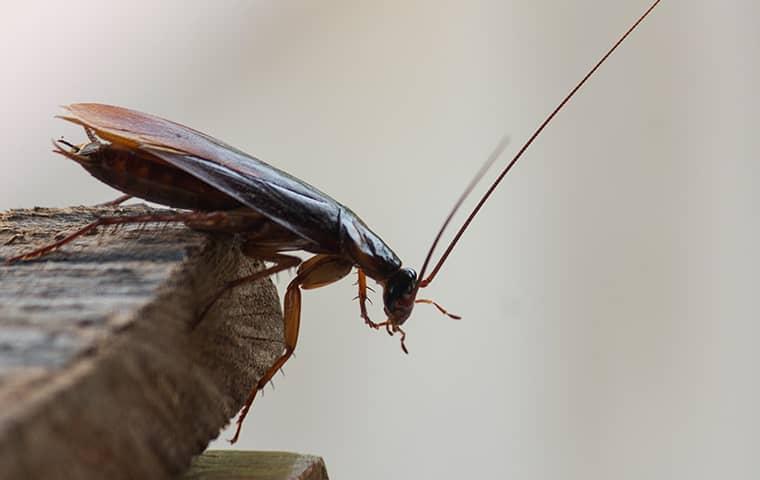
As temperatures climb, roaches thrive—especially where they can find moisture.
In Jacksonville-area homes, activity often increases in:
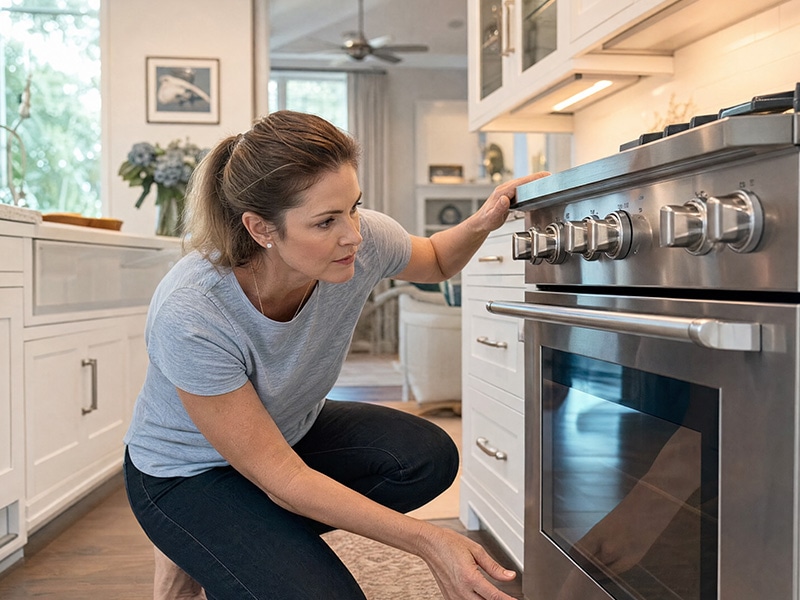
- Kitchens (behind and under appliances)
- Bathrooms and laundry rooms
- Garages and utility areas
One of the most common assumptions is: “We only saw one roach.” Unfortunately, one roach can mean more.
These resources can help homeowners understand what they’re seeing:
- Does One Cockroach in My Jacksonville Home Mean an Infestation?
- Four Sure Signs Your Jacksonville Home Has a Cockroach Problem
- Cockroach Identification
Flies: Warmer Weather Makes “Small” Issues Feel Big
Fly pressure often climbs as summer ramps up—especially when heat and humidity combine with:
- Trash can odors
- Pet waste in the yard
- Overripe fruit, sticky drains, or food residue
- Moisture problems that attract other pests, too
Flies aren’t just annoying—they can contaminate surfaces and make a home feel constantly “not quite clean.”
What First Coast Homeowners Can Do Now (Without Making It a Weekend Project)
You don’t need a full spring-cleaning marathon to reduce pest pressure. A few high-impact steps go a long way.
Quick Checklist: 15 Minutes That Can Make a Real Difference
- Walk the exterior and look for gaps around utility lines, doors, and windows
- Fix easy moisture issues: dripping spigots, leaky hose bibs, slow drains
- Cut back vegetation so shrubs and branches aren’t touching the house
- Refresh screening: repair torn window and door screens
- Dump standing water weekly: flowerpot saucers, buckets, kids’ toys, tarps, clogged gutters
In storm-prone neighborhoods or shaded yards with drainage issues, mosquito prevention is a weekly habit—not a once-a-season chore.
The Smarter Way to Stay Ahead of Pest Season in Jacksonville
In Greater Jacksonville and across the First Coast, pest pressure isn’t seasonal—it’s constant. What changes is how intense it gets.
That’s why smart homeowners don’t wait for a surge. They put protection in place before it becomes a problem.
Locally owned and operated since 1957, Lindsey Pest Services provides proactive, seasonally adjusted protection designed specifically for Northeast Florida homes. Our approach is built around:
- Understanding what pests are active right now in Jacksonville-area neighborhoods
- Identifying the conditions around your home that attract them
- Creating a protective barrier that adapts as temperatures rise and rainfall increases
- Monitoring year-round so small issues don’t become expensive ones
Because in a warm, wet year, prevention isn’t overkill—it’s smart planning.
If you want steady, professional protection tailored to Greater Jacksonville and the First Coast, explore our Home Pest Control Plans and Pricing or call us at (904) 350-9406 to schedule your inspection.
The Best Time to Start Is Before You See Pests
In Northeast Florida, pests don’t wait for a convenient time—especially in a warm, wet year.
If you’re already seeing signs (ant trails, roaches, backyard mosquitoes, or anything that looks like termite swarmers), early action is usually simpler and less stressful.
To request service in Greater Jacksonville and along the First Coast, start here: Contact Lindsey Pest Services.