
Cooler Weather in Jacksonville: What It Means for Roof Rats and Other Pests
Nov 12, 2026
Jacksonville and the rest of Northeast Florida are in for a chilly weekend, with temperatures dropping into the 40s in many areas. And while you may be looking forward to a break from the warmth, the change in weather raises an interesting question: Will the colder nights prompt roof rats and other pests to seek shelter inside homes?
The answer isn't the same for every pest. Roof rats can remain active in sheltered spaces, while cooler temperatures may slow certain insects outdoors.
Here's what homeowners across Greater Jacksonville, the First Coast, and Palm Coast should know about this weekend's weather and how local pests may respond.
How Cold Will Jacksonville Get This Weekend?
According to the November 12 Area Forecast Discussion from the National Weather Service in Jacksonville, a strong cold front will bring noticeably cooler and drier conditions to Northeast Florida for the weekend of November 14–15, 2026.
The NWS called for daytime highs mainly in the 60s, about 10 degrees below normal for mid-November. Overnight temperatures are expected to fall into the 40s across much of inland Northeast Florida, with coastal areas generally remaining closer to 50 degrees.
Homeowners in Jacksonville, Orange Park, Palm Coast, and surrounding communities can expect chilly mornings and a noticeable change from recent warmer conditions.
It won't be a widespread freeze across Lindsey's Northeast Florida service area, but the cooler temperatures can influence the activity of certain pests.
Will Cooler Weather Send Roof Rats Into Jacksonville Attics?
Cooler weather can make sheltered spaces more appealing to roof rats, but a few chilly nights don't necessarily cause them to move indoors.
Roof rats are already well adapted to Northeast Florida's climate. They live in trees, palms, and dense vegetation, and frequently use attics, soffits, and other protected areas for nesting.
They're also excellent climbers. A roof rat moving through a tree near your home can use branches, utility lines, or other elevated routes to reach the roof. If an accessible opening exists, it may be able to enter the attic.
As temperatures fall, a protected attic can offer more comfortable conditions than an exposed outdoor nesting location.
Roof rats don't need cold weather to become an attic problem. They're active throughout the year in Jacksonville, including during the summer. Finding evidence of them this weekend doesn't necessarily tell you when they entered.
Hearing Scratching in Your Attic This Weekend? Here's What It Could Mean
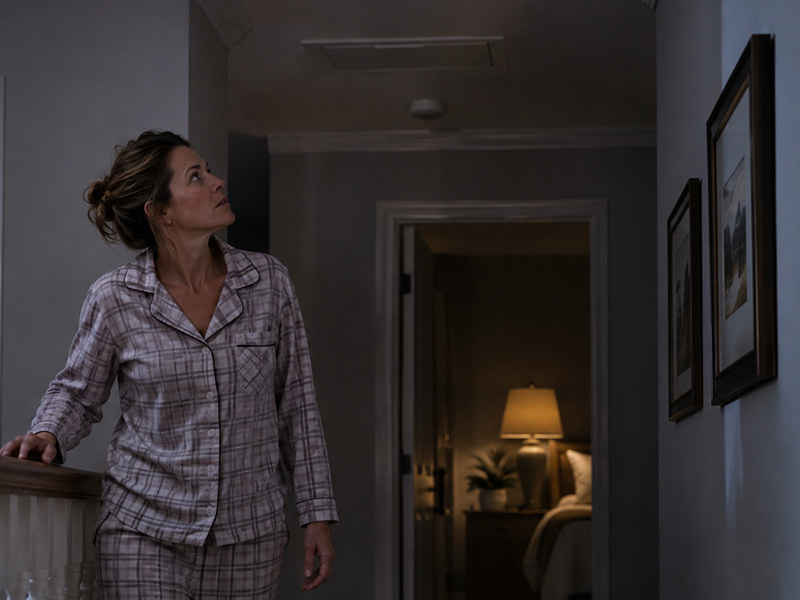
Imagine settling into bed Saturday night when you hear scratching or scurrying above the bedroom ceiling.
With temperatures dropping outside, it's reasonable to wonder whether roof rats have moved into your attic to escape the cold.
It's possible, but the timing alone doesn't establish when they arrived.
Roof rats are primarily nocturnal, so homeowners often become aware of their presence when the house is quiet. The sounds you're hearing may come from rodents that have been using the attic for some time.
Other situations can also raise questions:
- You notice a rat moving through a tree near your roofline after dark. Roof rats commonly travel through trees and along elevated routes, but seeing one outside doesn't prove it's entered your home.
- You discover droppings near stored belongings in the garage or attic. This suggests rodent activity, although the droppings need to be identified to determine which animal is responsible.
- You repeatedly hear movement above the ceiling at night. Roof rats are one possibility, but squirrels and other animals can also make noises in attic spaces.
The important question is whether rodents are actively using your home for shelter, nesting, or access to food.
If you're hearing unexplained attic noises or finding evidence of rodents, Lindsey Pest Services can help identify the cause. Our professional rodent control services begin with an inspection to determine what you're dealing with and where the activity is occurring. Solutions include trapping and removal, monitoring, and, if necessary, light exclusion work.
Will House Mice Respond to the Colder Temperatures?
House mice may also seek protected spaces during cooler weather, but their activity often looks different from that of roof rats.
While roof rats frequently occupy attics and elevated spaces, house mice commonly settle closer to accessible food sources.
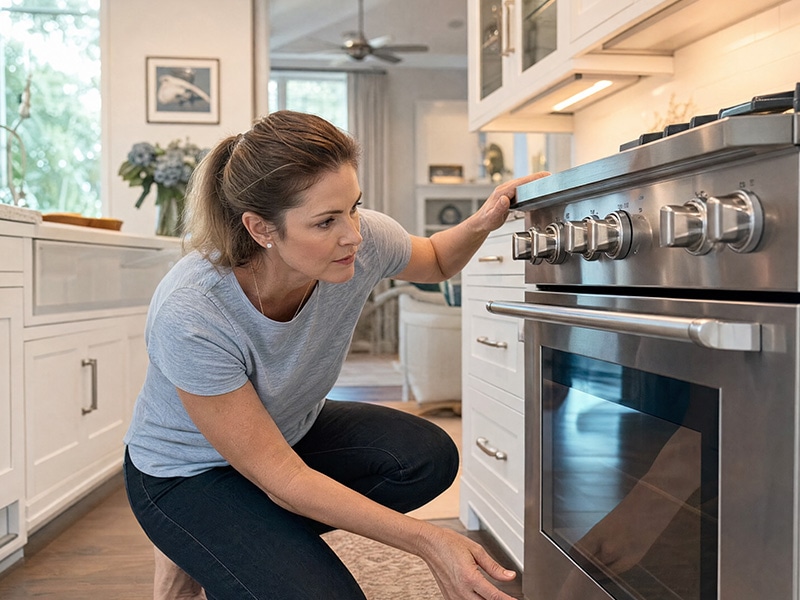
For example, a homeowner might find mouse droppings behind a refrigerator, inside a pantry, or near stored items in the garage.
Mice can enter through very small openings, so a home with accessible entry points and available food may provide suitable shelter regardless of the season.
Like roof rats, mice remain active throughout Northeast Florida's cooler months. Finding evidence of mice indoors warrants attention, regardless of how cold it is outside.
What About Cockroaches, Ants, and Mosquitoes?
The weekend cooldown won't affect every pest the same way. Some insects may become less active outdoors, while others continue using protected areas around homes.
American Cockroaches May Seek Sheltered Areas
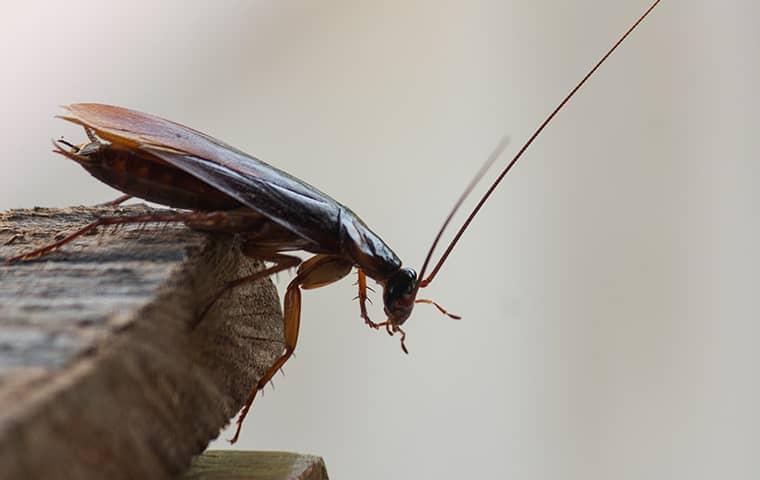
If you open your garage Saturday morning and spot a large cockroach near the wall or beneath stored belongings, you may wonder whether the colder weather brought it inside.
American cockroaches, commonly called palmetto bugs, often live outdoors in mulch, decaying vegetation, and other protected locations. They can also wander indoors in search of food, water, or shelter from adverse weather.
A chilly weekend may make sheltered areas more attractive, but finding one large cockroach in the garage doesn't automatically mean there's an indoor infestation.
Repeated sightings inside living areas, however, deserve closer attention, especially because different cockroach species have different habits.
Ants May Become Less Active Outdoors
Homeowners may notice less ant activity in their yards during the coldest parts of the weekend.
Ants are sensitive to temperature, and cooler conditions can slow their movement and foraging. Colonies in protected nesting locations can remain active, though.
If ants have already been appearing around your kitchen sink or pantry, the change in outdoor temperature may have little immediate effect on the problem.
Mosquito Activity Could Drop During Chilly Mornings
One noticeable benefit of the cooler weather could be fewer mosquitoes flying around during the coldest hours.
Mosquito flight activity generally decreases around 60 degrees, and mosquitoes become inactive at temperatures of 50 degrees or lower.
With temperatures expected to fall into the 40s in many Northeast Florida neighborhoods, mosquitoes may be much less noticeable early in the morning.
However, the weekend's cooler weather doesn't mean mosquitoes are gone for the season. Activity can resume when temperatures become favorable again.
When Should Homeowners Be Concerned About Pest Activity?
Not every pest sighting during a cold spell signals a serious problem.
A roof rat traveling along a fence outdoors is different from a rodent nesting in your attic. Likewise, a single large cockroach wandering into the garage is different from repeatedly finding cockroaches in the kitchen.
For homeowners, the bigger concern is evidence that pests are actively using the home.
Repeated nighttime scratching, rodent droppings, gnaw marks, or damaged insulation can indicate a rodent problem that needs professional attention. Frequent indoor insect activity may also warrant an inspection, even if the pests become less noticeable outdoors during the cooler weather.
Don't assume the problem will disappear when temperatures warm up again. If rodents or insects have established themselves inside, a return to milder weather won't necessarily make them leave.
Concerned About Roof Rats or Other Pests in Northeast Florida?
Hearing scratching in the attic, finding rodent droppings, or noticing unwanted pests inside your home? These are concerns worth addressing, regardless of the weather.
Since 1957, Lindsey Pest Services has helped homeowners across Greater Jacksonville, the First Coast, and Palm Coast deal with roof rats, mice, and other household pests. We offer professional rodent control and ongoing residential pest control programs tailored to your home's needs.
Contact Lindsey Pest Services today to request a free pest control quote.