
Found Small Cockroaches in Your Home? What Baby Roaches Mean for Homeowners
Jul 7, 2026
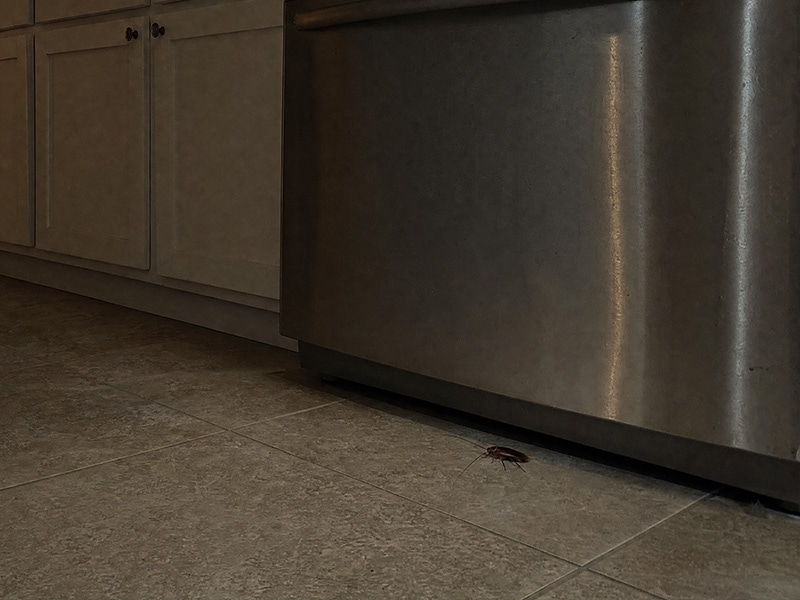
That tiny roach you just spotted on the kitchen floor might not seem like much. It was small, fast, and gone before you could get a good look at it.
But if what you saw was a baby cockroach, it changes the situation.
Baby cockroaches usually are not random outdoor visitors. When you find them inside, especially in a kitchen, bathroom, laundry room, or another moisture-prone area, it often means roaches have already been breeding nearby. It is the point when hidden activity has finally become visible.
In business since 1957, this is one of the most common situations Lindsey Pest Services helps Northeast Florida homeowners with, especially during the warmer months when cockroach activity increases. A homeowner may think they saw “one tiny roach,” but nymphs often point to adults and egg cases hiding in areas nearby.
Here’s how to tell what you’re seeing, why it matters, and when to get help.
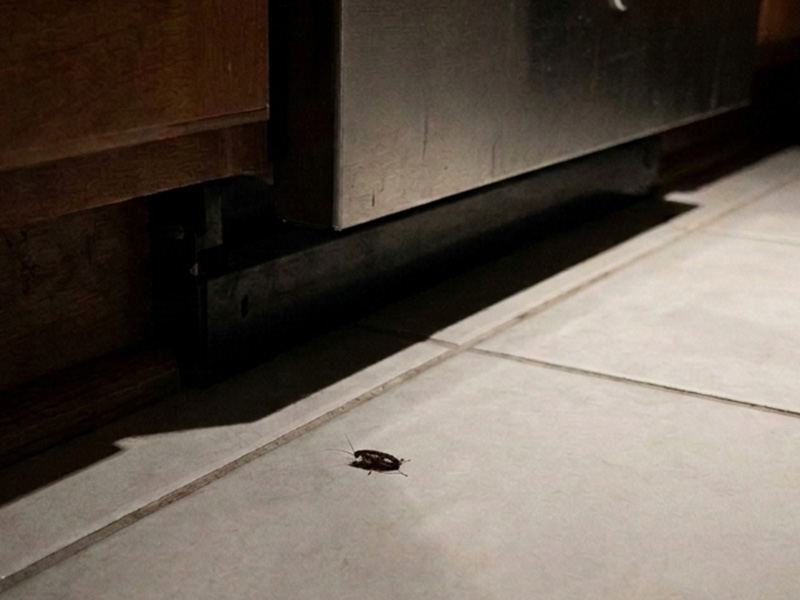
What Do Baby Cockroaches Look Like?
Baby cockroaches, which pest professionals call nymphs, look enough like adults to be recognizable but different enough to confuse many homeowners.
They are small, fast, and wingless. Newly hatched roaches can be tiny, depending on the species. Even older nymphs are usually much smaller than the adult roaches homeowners are used to seeing. If a small, wingless bug runs toward a dark crack when the light comes on, there is a good chance it may be a cockroach nymph.
Their color can also look different from adult roaches. German cockroach nymphs are usually dark brown to almost black with a lighter tan stripe down the back. American cockroach nymphs start out grayish-brown and darken as they grow. Because of these differences, homeowners sometimes mistake baby roaches for beetles or other small crawling insects.
If you are not sure what you're seeing, we'd be happy to send out an experienced technician to inspect, identify, and recommend a solution.
Why Baby Roaches Are a Bigger Warning Sign Than Adult Roaches
Seeing any cockroach inside your home is concerning. But seeing a baby cockroach tells you something more specific.
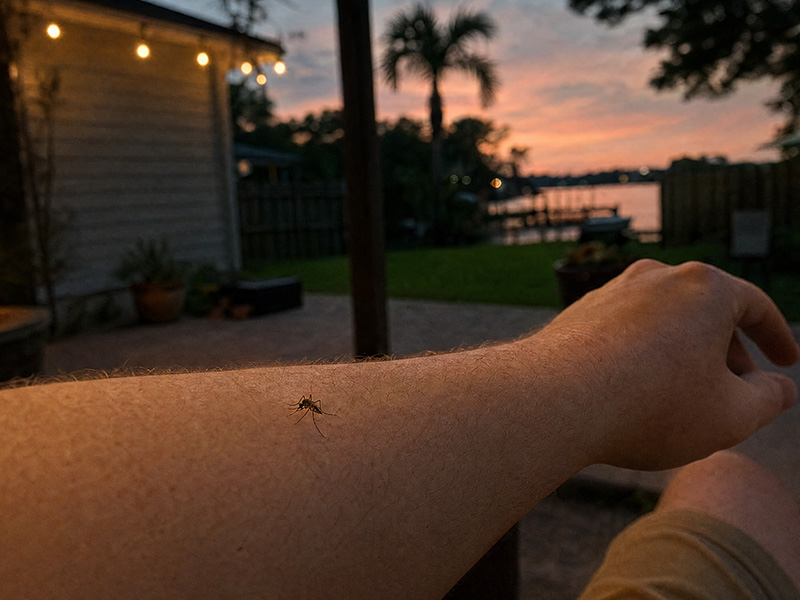
A larger adult cockroach, especially an American cockroach or “palmetto bug,” may sometimes enter through a gap under a door, an opening around plumbing, or another access point near the exterior. That does not always mean the roach is living and reproducing inside the house.
Baby roaches are different. Nymphs usually stay close to where they hatched, so seeing them in a kitchen, bathroom, laundry room, or garage often means roaches have already found a hidden place to settle in and reproduce.
That is why baby roaches should be taken seriously. The problem is usually past the “one roach wandered in” stage. Eggs have already hatched somewhere nearby, and more than one life stage may be present in the home.
A single German cockroach egg case can contain around 30 to 40 eggs. American cockroach egg cases contain fewer, usually around 14 to 16, but females can produce many egg cases over time. Once nymphs start showing up where you can see them, there may be more hidden in cracks, appliance gaps, cabinet hinges, plumbing areas, or other protected spaces.
The Most Likely Culprit in Northeast Florida Homes
If you are finding very small roaches indoors, especially in the kitchen, German cockroaches are often the main concern. They are an indoor cockroach species in Northeast Florida that are especially good at living close to people.
German cockroach nymphs are tiny when they first hatch. They are usually dark-colored with a lighter stripe down the back, and they tend to stay close to food, moisture, and warmth. Kitchens are a common problem area because they offer all three. Cabinet gaps, appliance motors, sinks, dishwashers, and food storage areas can give German cockroaches what they need to survive.
American cockroach nymphs can also show up indoors, but the situation is often a little different. These roaches are more likely to be associated with crawl spaces, garages, drains, water heaters, plumbing areas, or damp spaces near the exterior. Their nymphs are usually larger than newly hatched German cockroach nymphs, so size can help narrow down what you may be seeing.
Either way, finding cockroaches, big or small, inside is not something to brush off. The species matters, but all indoor cockroach activity should be addressed before the problem gets worse.
Where Baby Cockroaches Hide in Your Home
Baby roaches often hide in the same places adult roaches do: close to food, moisture, warmth, and tight shelter. When nymphs are present, it usually means those hiding spots have already supported roach activity for a while.
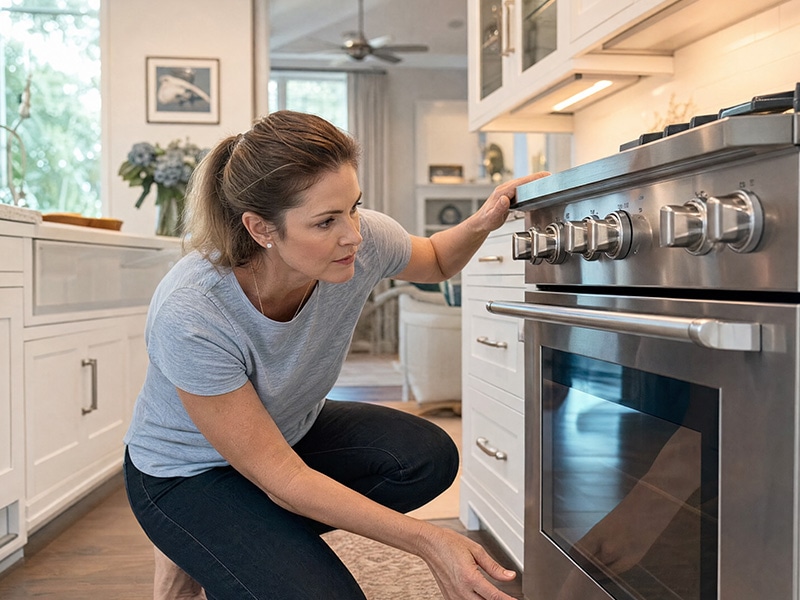
In kitchens, roaches often hide behind refrigerators, dishwashers, stoves, cabinet hinges, drawer tracks, and sink plumbing. At Lindsey Pest Services, one common place our technicians find German cockroach nymphs is inside the hinge area of cabinet doors.
Bathrooms and laundry rooms can also support roach activity because of sinks, toilets, tubs, washing machines, water heaters, and plumbing connections.
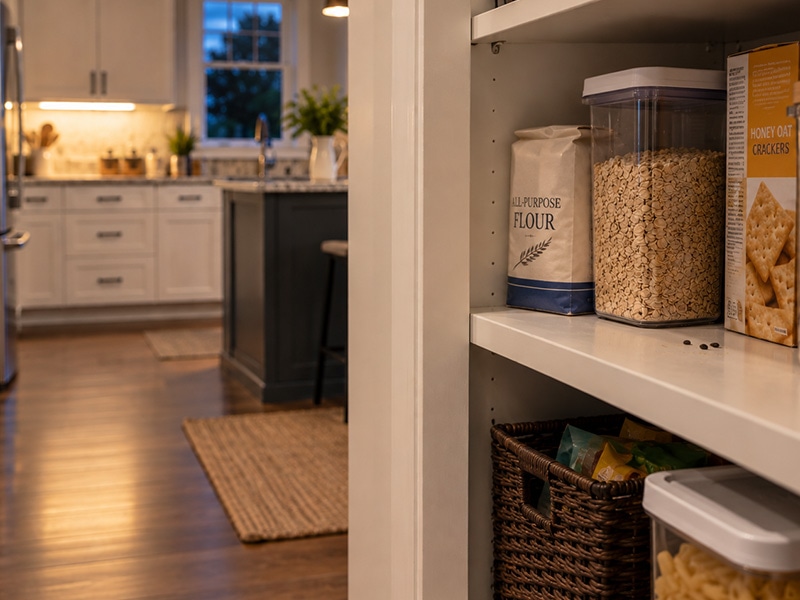
In garages and humid storage areas, cockroaches often hide in or near cardboard boxes, pet food, stored items, appliance gaps, wall outlets, and switch plates.
Why Baby Roaches Thrive in Northeast Florida Homes
Cockroaches need warmth, moisture, food, and shelter. Northeast Florida can provide those conditions almost year-round, especially in and around homes where humidity and moisture are hard to avoid.
Homes in our region do not need basements to have roach-friendly moisture. Plumbing voids, slab penetrations, appliance gaps, garages, crawl spaces, and humid storage areas can all create the warmth and moisture cockroaches need.
Even a clean home can have conditions that support roach activity. A slow drip under the kitchen sink, a leaky dishwasher hose, condensation on pipes, grease under or behind appliances, crumbs in hard-to-reach spaces, pet food left out overnight, or cardboard stored in a humid area can all help roaches survive.
That does not mean a homeowner has done something wrong. Cockroaches are experts at finding resources and hiding.
Why Waiting Can Make the Problem Worse
Once baby roaches are visible, the problem has usually been active out of sight for a while. Adults may still be hiding nearby, more eggs may be tucked into cracks and tight spaces, and young roaches may be growing in areas you cannot easily reach.
That is what makes cockroach problems so frustrating. You may wipe down the counter and clean the floor, yet still see activity because the real problem is happening behind appliances, in cabinet gaps, around plumbing, or in other protected areas.
German cockroaches are especially difficult because they reproduce quickly and hide in hard-to-reach places. Without the right tools and training, it can be hard to reach the areas where the problem is growing.
The health concerns can also increase over time. Cockroach droppings, shed skins, and allergens can collect in the home and may trigger asthma symptoms or allergic reactions, especially in children.
Because baby roaches usually point to an active problem, it is better to get help before the activity spreads.
How Lindsey Pest Services Helps With Cockroach Problems
When baby roaches are showing up inside, the goal is not just to treat the roaches you can see. It is to find where they are hiding, where they are breeding, and how they are surviving inside your home.
Lindsey Pest Services starts by inspecting the home to accurately identify the species and locate infested areas.
From there, Lindsey uses targeted treatments to eliminate active cockroaches, including adults and nymphs. Since cockroach problems can continue as eggs hatch and young roaches grow, ongoing service matters.
That is where Lindsey’s residential pest control plans can help. Our plans protect homes across Greater Jacksonville, along the First Coast, and in Flagler County from cockroaches and 30+ other common pests.
Quarterly treatments address the cockroach activity you are seeing now and keep roaches and other house-infesting pests from infesting year-round. For ongoing protection you can count on, we are here to help.
If you are seeing baby roaches, small roaches, or any signs of cockroach activity, request your free quote today.
Baby Cockroach FAQs
Can baby cockroaches survive on their own?
Yes. Baby cockroaches are independent as soon as they hatch. They do not need adult roaches to feed or care for them.
Should I worry if I only found one baby roach?
Yes. A single baby roach can still indicate nearby activity because nymphs usually stay close to where they hatched. It does not always mean you have a large infestation, but it is a sign worth taking seriously.
How quickly do baby cockroaches grow into adults?
German cockroach nymphs can become adults in roughly 6 to 12 weeks under good conditions. American cockroach nymphs take longer, often several months. Either way, the roaches you see today can become part of the next breeding cycle if the problem is not addressed.
I only see them at night. Is that normal?
Yes. Cockroaches are nocturnal, so they usually hide during the day and come out at night to search for food and water.
Get Help With Roaches in Your Northeast Florida Home
Finding baby roaches means the problem is likely farther along than it looks, and it’s time to call in a local pest control team with the experience to find and treat the whole infestation.
Lindsey Pest Services can inspect, identify the species, and treat the problem at the source.
Request your free quote today. Same-day service is typically available.