
How Hurricanes and Tropical Storms Affect Pest Activity in Northeast Florida
Jun 17, 2026
Living in Northeast Florida means living with hurricane season. Every year from June through November, homeowners across Greater Jacksonville, the First Coast, and communities like Palm Coast, Flagler Beach, and Bunnell keep one eye on the forecast and the other on their storm shutters.
At Lindsey Pest Services, we keep a close eye on the forecast too — but for a different reason. Tropical storms and hurricanes don't just cause wind and water damage. They reshape pest behavior across the entire region, and the effects can last for weeks or even months after a storm passes.
Here's how major weather events drive pest problems in this part of Florida, and why having ongoing pest control in place before a storm hits matters more than most homeowners realize.
Flooding Displaces Rodents, Ants, and Cockroaches Into Homes
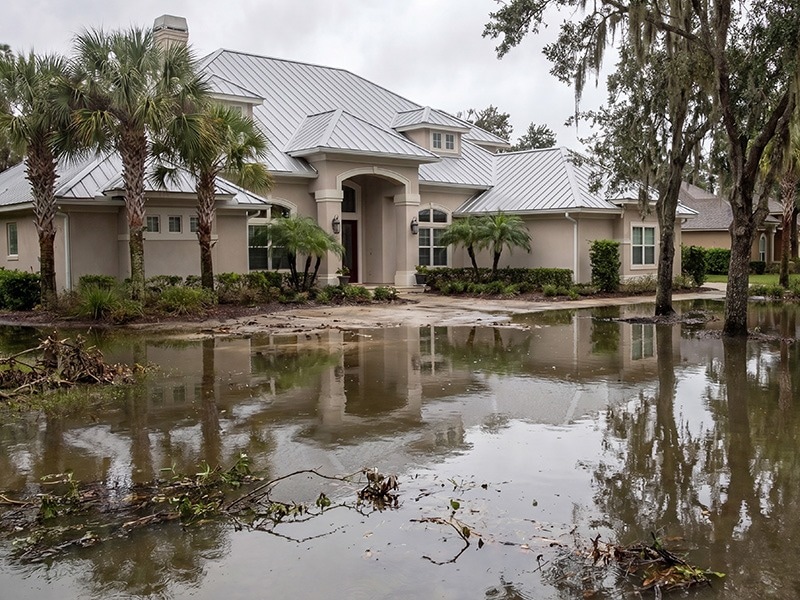
When heavy rain saturates the ground, it doesn't just flood yards and streets. It floods the places pests live — underground burrows, soil nests, mulch beds, and ground-level harborage areas.
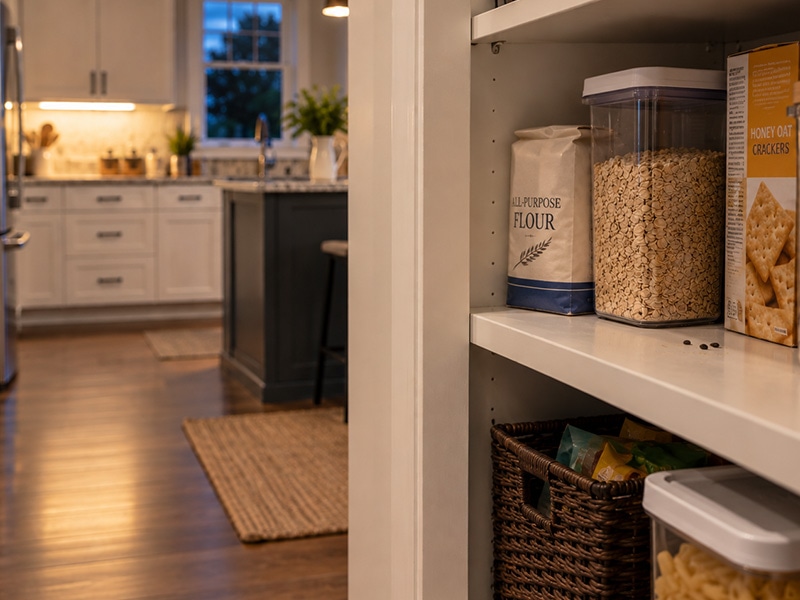
Rodents are often the first to move. Rats and mice that normally nest in ground burrows, woodpiles, or drainage areas get driven out by rising water and head for higher, drier ground. That usually means attics, garages, wall voids, and crawl spaces. Once they're inside, they don't leave voluntarily — even after conditions outside improve.
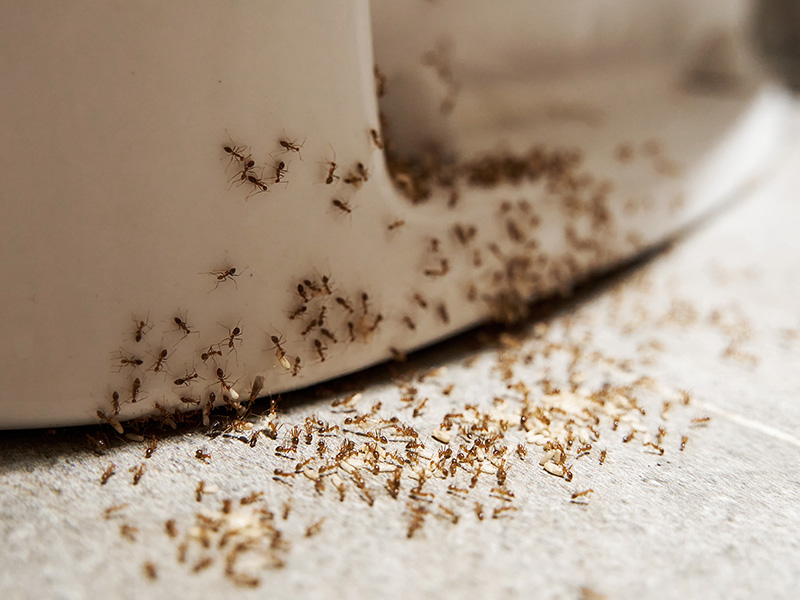
Ants react the same way. Fire ant colonies can evacuate flooded soil within hours, forming floating rafts on standing water and relocating entire colonies to drier ground. Other ant species push indoors through foundation cracks and plumbing penetrations as the soil around your home becomes too waterlogged to support their nests.
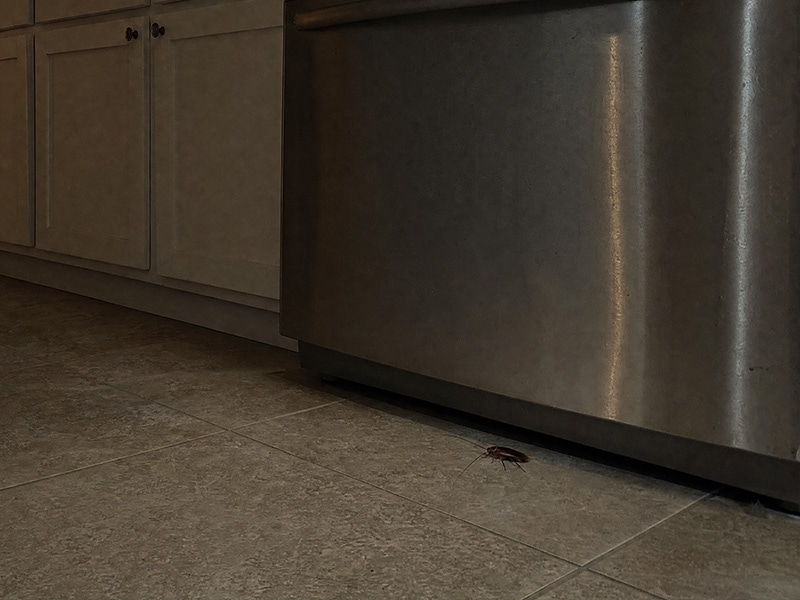
Cockroaches are often displaced as well. American cockroaches commonly live in storm drains, mulch beds, tree cavities, and other moist outdoor harborage areas. When flooding saturates those environments, roaches often move toward homes in search of dry shelter. It's not unusual for homeowners to notice increased cockroach activity during and after major storm events.
Low-lying areas along the St. Johns River, coastal neighborhoods in St. Augustine and Jacksonville Beach, and communities built around canal systems like Palm Coast are especially vulnerable to this kind of displacement after tropical storms.
Unfortunately, many homeowners assume the pest activity will disappear once conditions dry out. In reality, rodents, ants, and cockroaches that move indoors during a storm often stay put after the weather improves. What starts as a temporary refuge can quickly become a long-term infestation if the pests find food, water, and shelter inside the home.
Standing Water Fuels Mosquito Breeding for Weeks After a Storm
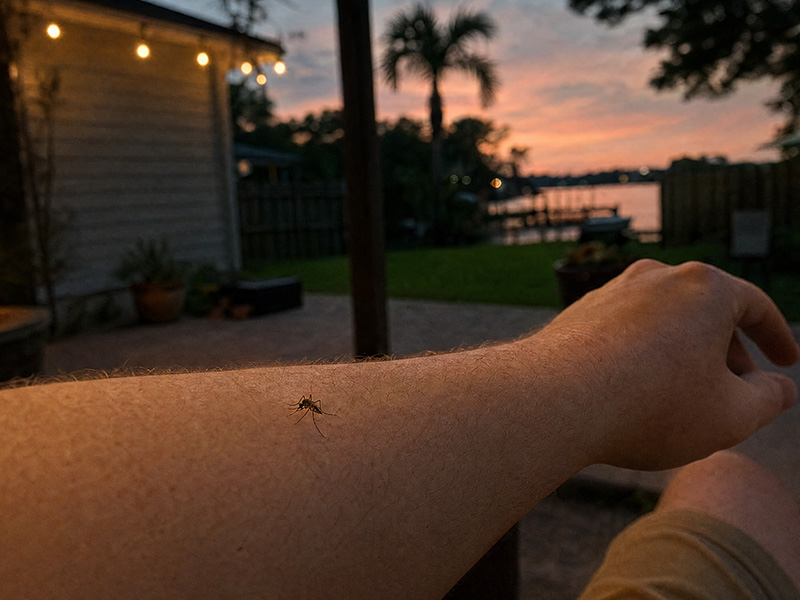
Tropical storms leave standing water everywhere — in clogged gutters, overturned containers, tarps draped over damaged areas, tree hollows, and low spots across the yard. Mosquitoes can lay eggs in as little as a bottle cap's worth of water, and those eggs can develop into biting adults within a week and a half.
That means the mosquito population around your home can surge well after the storm itself has passed. And post-storm humidity makes existing mosquitoes more active by improving their ability to fly and feed.
In Northeast Florida, retention ponds, drainage swales, canals, and low-lying coastal properties can hold water long after a storm passes, creating ideal mosquito breeding conditions throughout many neighborhoods.
Some Florida counties have scaled back government-run mosquito control programs, leaving homeowners with fewer community-wide protections than in years past. Homeowners across Flagler Beach, Bunnell, and the Palm Coast area deal with this compounding effect every storm season — heavy rain fills canals and drainage areas, and mosquito activity often builds in the weeks that follow. Professional mosquito control can help reduce mosquito populations around your property when storm conditions create ideal breeding environments.
Wind Damage Opens Up Entry Points Pests Didn't Have Before
Strong winds tear off shingles, crack soffits, rip screens, loosen fascia boards, and open gaps around windows and doors. Each one of those is a new entry point for pests — and most homeowners don't think to check for pest access when they're focused on the visible structural damage.
Roof damage is especially problematic. Gaps in the roofline give roof rats, squirrels, and wasps direct access to attic spaces. Damaged soffits and vents that used to be sealed tight now let insects and rodents move freely between the exterior and interior of the home.
Water intrusion compounds the issue. When rainwater gets into walls, crawl spaces, or attic insulation, the resulting moisture can attract termites and create conditions for fungal and mold growth, which may weaken wood structures over time. These problems often don't show up immediately — they develop quietly in the weeks and months after the initial damage.
A post-storm pest inspection can help identify pest activity and entry points before they turn into larger problems.
Why Having Pest Control in Place Before a Storm Matters
Most homeowners think about pest control after they start seeing rodents, ants, or mosquitoes following a storm. The reality is that storm recovery is much easier when preventative pest control is already in place. Tropical weather creates sudden pest pressure, and homes with ongoing protection are often better positioned to handle the surge in activity.
Professional perimeter treatment creates a treated barrier around your home's foundation, entry points, and harborage areas. When a storm displaces pests and drives them toward structures, that barrier is already working — reducing the number that make it inside even during the worst conditions.
Quarterly service also means your pest control technician is visiting regularly and can spot new vulnerabilities — a shifted foundation seal, a damaged soffit vent, mulch piled too high against the house, or conditions around the property that may become more attractive to pests after heavy rain.
Lindsey Pest Services has been protecting homes across Northeast Florida for over 65 years. Having served the region through storms such as Hurricanes Matthew and Irma, we've seen firsthand how flooding, wind damage, and prolonged moisture can change pest activity throughout the area.
Our residential pest control plans are built around the realities of living in a region where major weather events are part of life. Every plan covers 30+ common pests — including rodents, ants, cockroaches, and seasonal mosquito suppression — with quarterly service that helps keep homes protected year-round.
Request a free quote to get your home protected before the next storm rolls through.
FAQs About Hurricanes and Pest Activity
Should I schedule pest control before or after a hurricane?
Year-round pest control is the best approach. Ongoing service helps protect your home before storms arrive and makes it easier to identify and address any pest issues that develop afterward.
How soon after a tropical storm do pest problems start?
Some pest problems begin immediately. Rodents often seek shelter during the storm, while mosquito activity can increase within a week or two as standing water creates new breeding sites.
Are pest control treatments effective after heavy rain?
Yes. Professional pest control programs are designed for Florida's weather conditions. If your property experiences severe flooding or storm damage, a post-storm inspection can help determine whether additional treatment is needed.
Can hurricanes cause long-term pest problems?
They can. Rodents, ants, cockroaches, and other pests that move indoors during a storm may remain long after conditions improve if they find food, water, and shelter inside the home.
Protect Your Home Before the Next Storm
Hurricanes and tropical storms are a fact of life in Northeast Florida, but the pest problems that often follow don't have to be. Whether you're concerned about rodents, ants, cockroaches, mosquitoes, or other storm-related pest activity, Lindsey Pest Services can help protect your home before and after severe weather.
Contact Lindsey Pest Services today for a free quote and learn how our year-round pest control plans help protect Northeast Florida homes and families before and after storm season.
This blog was originally published on October 3, 2024; it has been updated to include new information.
One-Time Only Pest Service
What's Included: Covers One Individual Pest Concern
(Excludes Termites - Basic 60 Day Guarantee - Call For Details)
Call Today or Request Free Estimate