
Why the Drought in Jacksonville and Northeast Florida Is Sending Roof Rats Into Attics
Jul 14, 2026
If you've lived in Northeast Florida for a summer, you know we don't usually talk about drought. We talk about afternoon thunderstorms, humidity, and maybe the occasional tropical system. But 2026 has been different. Greater Jacksonville, the First Coast, and Flagler County are in the middle of one of the driest stretches on record, and while the water restrictions and brown lawns get most of the attention, there's a quieter side effect showing up in attics and garages across the region: more roof rats.
What's Actually Happening
The dry spell set in during late summer 2025 and deepened through fall and winter, pushing Northeast Florida into exceptional and extreme drought by spring — the National Weather Service says it's the region's driest Aug. 25–April 15 stretch on record. Duval, St. Johns, Clay, Nassau, Flagler, and Putnam counties are still under a Phase III Extreme Water Shortage Declaration, limiting outdoor watering to once a week. Summer storms have helped some — the region moved from exceptional down to extreme and severe drought in spots by early summer — but water managers are clear that a few weeks of rain doesn't erase a year-long deficit. Groundwater and river levels take months of sustained rainfall to recover, and that kind of prolonged dry stretch changes how local wildlife behaves — roof rats included.
Here's the simple version: roof rats need water every single day. Normally, they find it in the yard — dew on plants, puddles, birdbaths, drainage ditches, thick landscaping that holds moisture. When those sources dry up, rats don't just disappear. They go looking for the next closest source of water, and often that's your house. AC condensate lines, pet water bowls left on the porch, pool decks, leaky outdoor spigots, even a birdbath you forgot to empty — all of it becomes a lot more attractive to a thirsty rat when the yard has nothing to offer.
Roof Rats, Black Rats, Fruit Rats — Same Rodent
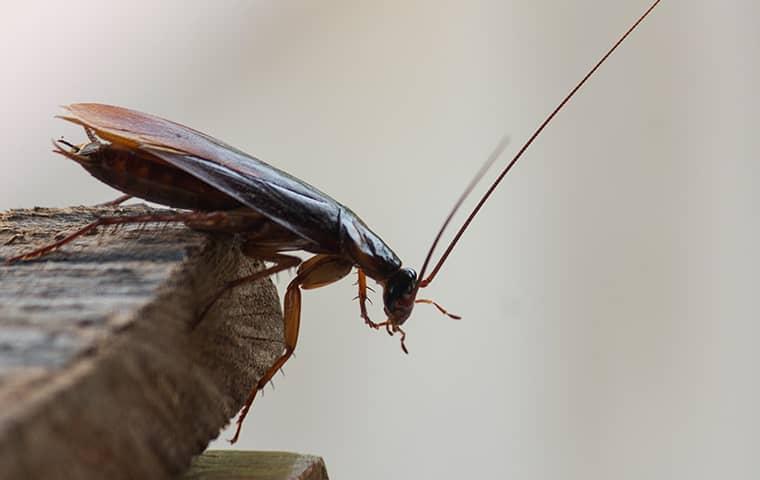
If you've heard a few different names get thrown around, that's normal. The rat species causing most of the trouble here is Rattus rattus, commonly called roof rats, but they also go by black rats or ship rats, and in parts of Florida, residents call them fruit rats or palm rats, too — a nod to their taste for citrus, mangoes, and anything growing on a palm tree. Whatever name you know them by, it's the same rat: dark brown to black fur, a scaly tail longer than its body, and an impressive ability to climb. Roof rats get their name honestly — they're far more comfortable in trees, on power lines, and up in your attic than they are on the ground.
What This Looks Like For Homeowners
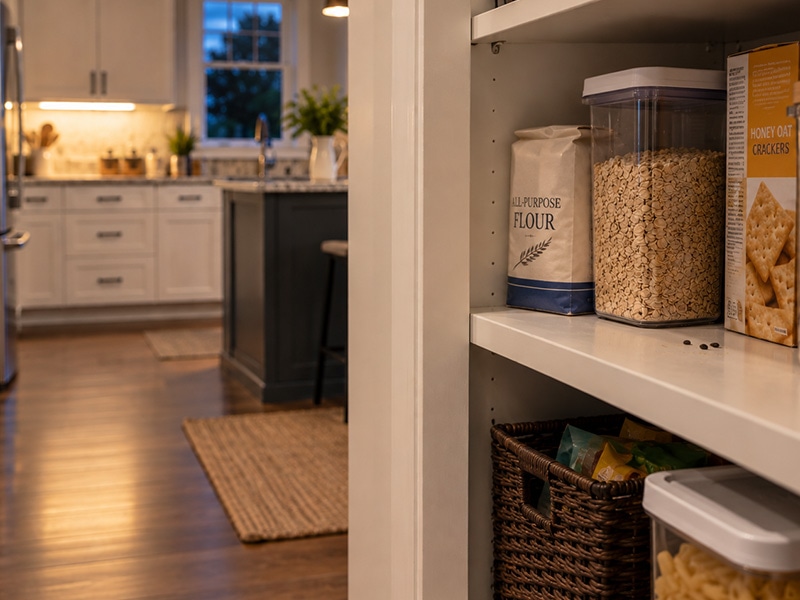
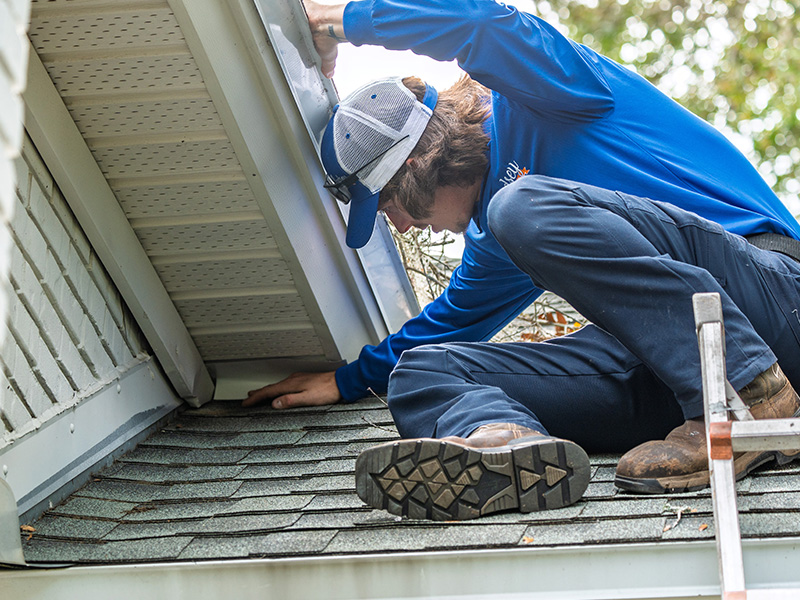
It's usually nothing dramatic at first. A customer in Palm Coast might mention they've heard light scratching in the ceiling around dusk, right when the rat is getting up to start its night. Someone in San Marco might notice a few dark, rice-sized droppings tucked behind the garage shelving, or find a corner of a dog food bag chewed open. A family out in St. Augustine might just notice their outdoor cat has suddenly gotten very interested in the wall. None of these is a cause for panic — they're just the normal, unglamorous signs that a roof rat has found a way in, usually along a tree branch, a power line, or a gap where a utility pipe enters the house.
The bigger concern is what happens if they are not removed and if the entry points never get sealed. Roof rats gnaw on wiring, insulation, and ductwork, and a home that doesn't have a problem in July can have an infestation of these rodents by September.
Roof Rat Control in Jacksonville: How Lindsey Pest Services Can Help
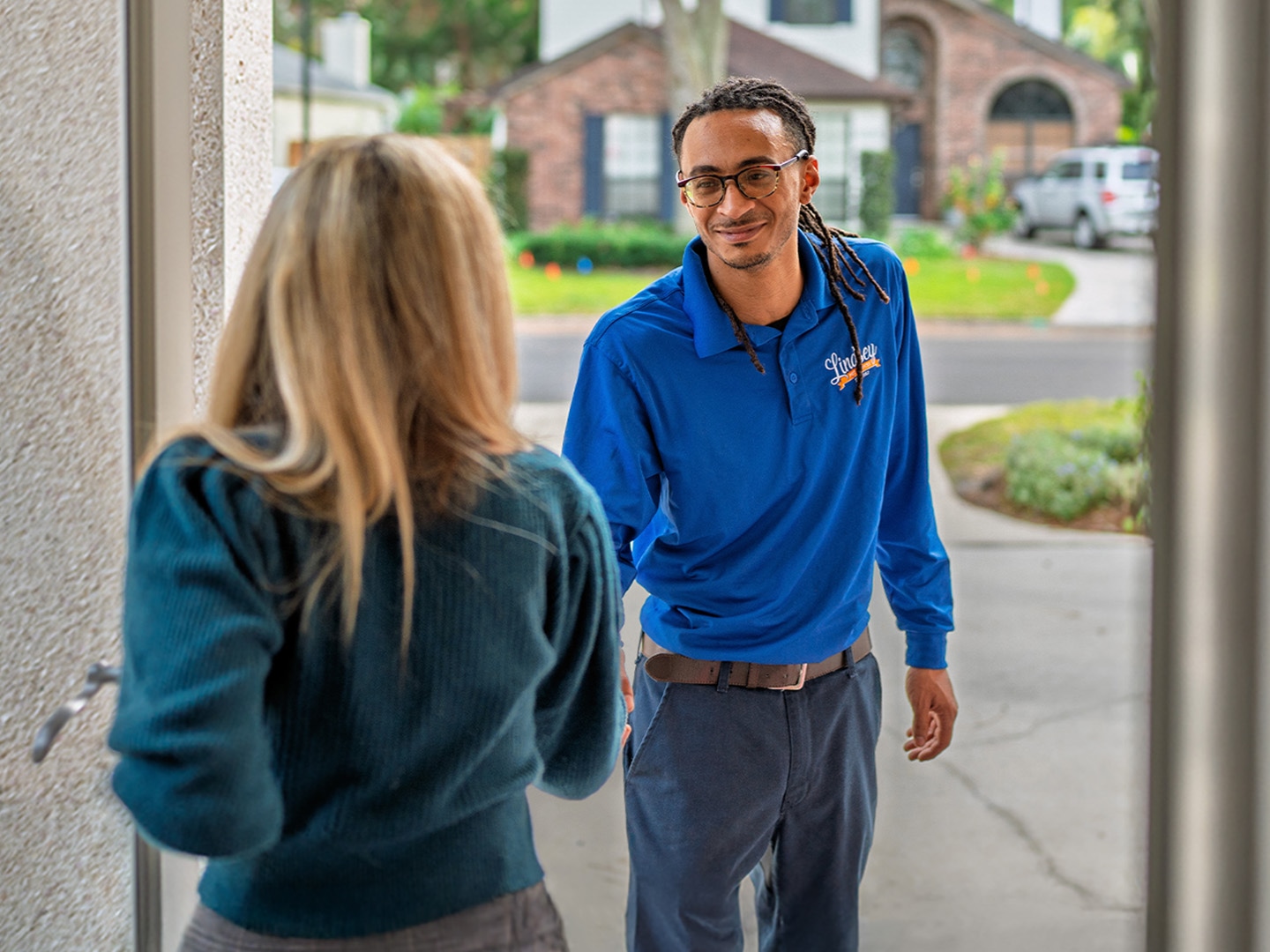
The good news is this is a very manageable problem when you handle it early — and you don't have to catch it yourself. Lindsey Pest Services has been resolving rodent issues across Greater Jacksonville and the First Coast since 1957. We have a residential pest control plan built for exactly this situation. Our Best plan includes rodent control and trapping, along with coverage for 30+ common household pests, mosquitoes, fire ants, and stinging insects, with a technician returning quarterly to maintain the exterior barrier.
Every plan is backed by Lindsey's Pest-Free Guarantee — if rats or any other covered pest show back up between visits, we come back out and re-treat at no charge.
If rats have already made themselves at home, Lindsey also handles the parts homeowners don't think about until they need them: odor removal for the smell that lingers after an infestation, clean-up and sanitation services for contaminated areas, and rodent exclusion work — sealing vents, adding crawlspace covers, and closing off the entry points rats are using to get in. Our goal is to ensure this doesn’t become a repeat problem once the drought finally breaks.
Get Ahead Of It Before the Drought Sends More Rats Your Way
The drought is still with us, and until groundwater levels fully recover, rats will keep looking for water in homes. The openings one finds this summer will stay open until someone closes them.
If you've heard some scratching, seen a few droppings, or just want to get ahead of it while the drought is still pushing more rats toward your roofline, give Lindsey Pest Services a call at (904) 350-9406 or request a free quote online.